Full article:
Laser Products and Instruments: Understanding Their Use, Risks, and Regulation
This article explores laser products and instruments, detailing their diverse applications, potential hazards, and the regulatory oversight provided by the U.S. Food and Drug Administration (FDA).
What are Lasers?
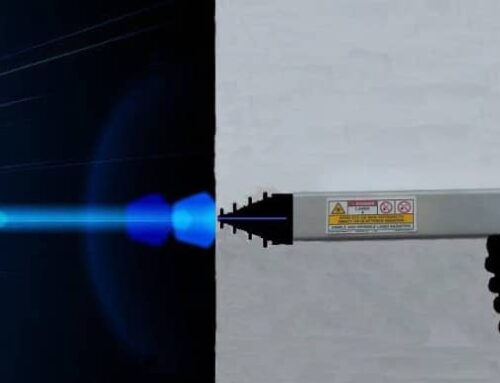
Lasers generate light by harnessing energy from a source, such as an electrical discharge. Unlike conventional light, laser light is unique due to its specific wavelength, which allows it to produce a highly concentrated and focused beam.
Applications of Lasers
Lasers are integral to many modern technologies and procedures. They are commonly found in everyday devices like CD and DVD players, bar code readers, and printers. Beyond consumer electronics, lasers play a crucial role in various medical procedures, demonstrating their versatility and precision.
Understanding Laser Risks
While lasers offer significant benefits, exposure to them carries inherent risks. Effective management of these risks is essential to safely harness the advantages lasers provide. The FDA categorizes lasers into four primary hazard classes (I through IV), with higher classifications indicating more powerful lasers and a greater potential for injury if used improperly.
Regulatory Framework
Manufacturers of laser products are mandated to comply with a comprehensive set of laws, regulations, and standards. These include the Federal Food, Drug, and Cosmetic Act (FFDCA) and specific sections within Title 21 of the Code of Federal Regulations, ensuring product safety and accountability.